A Smarter Approach to Autumn Street Cleaning for Local Authorities
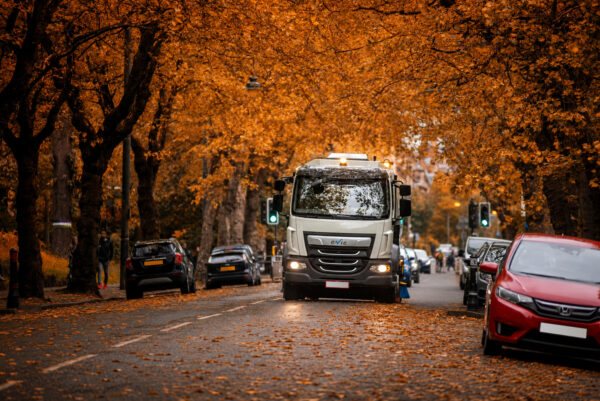
For local authorities across the UK, autumn marks one of the most demanding periods of the street cleaning calendar. As leaves begin to fall, routine cleaning operations come under increased pressure. Footways, carriageways and drainage systems all require greater attention to maintain public safety, reduce flood risk and keep communities clean and accessible.
At the same time, councils face the challenge of maintaining high service standards while working within increasingly constrained budgets. Recent research from APSE found that 80% of local authorities expect changes to their street cleansing budgets over the coming year, with half anticipating budget reductions. Every investment must deliver value, and every fleet decision must balance operational requirements against long-term financial responsibility.
Traditionally, the response to seasonal demand has been straightforward: increase fleet capacity. However, with financial pressures continuing to grow, many authorities are taking a different approach. Rather than purchasing additional vehicles to accommodate a temporary surge in demand, they are exploring ways to access necessary extra capacity.
In this article, we explore why vehicle hire is becoming an increasingly attractive option for managing seasonal demand and how it can help local authorities maintain service standards without committing to additional long-term fleet ownership.
The Hidden Cost of Planning Around Peak Demand
Every local authority relies on a dependable fleet of street sweepers to deliver day-to-day cleansing operations. The challenge comes when the busiest weeks of the year shape fleet planning rather than typical annual demand.
Autumn is a clear example. Autumn street cleaning requires additional sweeping capacity to maintain service standards, respond to customer expectations and prevent debris from affecting drainage systems. Purchasing additional vehicles may appear to solve the immediate problem, but it also creates a longer-term challenge once seasonal demand subsides.
Specialist vehicles such as road sweepers represent a significant investment. Alongside the initial purchase cost, authorities must also consider servicing, maintenance, compliance, storage, depreciation and ongoing operational expenses. If councils only need those vehicles for a relatively short period each year, they may spend much of their time underutilised.
This is why many local authorities are reconsidering how they access additional fleet capacity. Rather than investing capital in assets needed only for a seasonal peak, local authorities can use vehicle hire as a more flexible and cost-effective alternative.
By hiring sweepers during periods of increased demand, councils can access essential equipment for the duration needed. This approach helps maintain operational performance during busy periods while avoiding the long-term costs associated with ownership.
Why Vehicle Hire Makes Sense During Autumn
Seasonal demand is, by its nature, temporary. The challenge for fleet managers is finding an efficient way to respond without creating unnecessary costs elsewhere in the operation.
Vehicle hire allows local authorities to increase fleet capacity during peak leafing season without committing to permanent fleet expansion. Fleet managers can deploy additional sweepers when workloads increase and return them once demand returns to normal levels.
Beyond providing additional capacity during peak periods, local authorities also need confidence that their fleet will remain operational when demand is at its highest. This places increased emphasis on factors such as servicing, maintenance, engineering expertise and rapid response support.
Working with a provider that offers both fleet solutions and ongoing operational support can help minimise downtime, improve vehicle availability and ensure street cleansing services continue to perform effectively throughout the autumn season.
Perhaps most importantly, hire enables authorities to preserve capital budgets for other priorities. Rather than tying up significant investment in assets that may only be fully utilised for part of the year, organisations can align fleet costs more closely with operational need.
Building an Effective Autumn Fleet Strategy
Effective autumn street cleaning planning begins long before the first leaves fall.
Reviewing historical demand patterns, vehicle utilisation rates and known operational hotspots can help identify where additional sweeping capacity is likely to be required. By understanding these trends in advance, authorities can make informed decisions about the level of support needed during peak periods.
Taking this proactive approach helps reduce operational risk and ensures additional vehicles are available when required. Rather than reacting to seasonal pressures as they emerge, councils can enter the autumn period with a clear plan for maintaining service standards.
The result is a more resilient operation that can respond effectively to changing conditions while making efficient use of available resources.
Looking Beyond Autumn
Although autumn presents one of the most visible examples of seasonal demand, it is far from the only period that places additional pressure on local authority fleets.
Winter maintenance activities, emergency response requirements, infrastructure projects and major public events can all create short-term increases in operational demand. Organisations that have access to scalable fleet solutions are often better placed to respond quickly and effectively when these requirements arise.
As financial pressures continue to influence public sector decision-making, fleet strategy is increasingly focused on maximising utilisation and ensuring every investment delivers measurable value. For many authorities, this means looking beyond ownership and considering how a combination of owned and hired assets can provide the most effective balance of performance, resilience and cost control.
Whether responding to autumn leaf fall, covering unexpected downtime or preparing for future operational challenges, the objective remains the same: ensuring the right equipment is available at the right time to keep essential services moving efficiently and cost-effectively.