Rain or Shine: Building Real Drainage Resilience

The only certainty about British weather… is uncertainty. A particularly stormy, rain-heavy June shows how seasonal patterns are evolving. This shift highlights the growing importance of drainage resilience. Broad trends such as wetter winters and drier summers still offer a useful framework, however, more extreme and unpredictable conditions now disrupt those patterns.
Climate change is a major driver of this shift. Rising global temperatures cause longer dry spells, heavier rainfall, and greater volatility between the two. At the same time, global climate systems like El Niño influence weather patterns at a broader level. This adds complexity and makes local conditions harder to predict.
For infrastructure operators, this creates a more nuanced challenge. Seasonal planning remains important, but it is no longer sufficient on its own. Resilience must also be built to handle rapid and unexpected changes in conditions, particularly within critical systems such as drainage networks.
Dry Weather, Hidden Build-Up
While heavy rainfall often takes the blame for drainage failures, many problems begin during dry weather.
Low rainfall reduces water flow through drainage systems. As a result, silt, debris, oils, and other materials settle and build up in pipes, gullies, culverts, and interceptors. Over time, this material compacts and reduces system capacity.
Summer months also bring more construction activity, traffic, and industrial operations. These introduce additional waste into drainage networks. This creates a hidden vulnerability. Systems may appear to work normally, but their internal capacity is reduced.
When storms arrive, often suddenly and intensely, the issue is not just rainfall volume. Reduced capacity plays a major role. This can lead to rapid flooding, surcharging, and operational disruption.
Pressure from Ageing Infrastructure
The challenge is further compounded by the condition of the UK’s existing drainage infrastructure.
Much of the network was designed for historical weather patterns that no longer reflect current conditions. Today’s systems must handle increased urbanisation, higher volumes of surface runoff, and more extreme fluctuations in weather.
Ageing infrastructure is also more susceptible to blockages, wear, and reduced performance. As systems deteriorate, their tolerance for both debris build-up and sudden surges decreases.
Ongoing pressure on maintenance budgets can make it difficult to address these issues proactively, allowing small problems to develop into larger failures over time.
As a result, drainage networks are being pushed closer to their limits, with less margin for error than in the past.
Shifting to Proactive Drainage Resilience
Traditionally, drainage maintenance has often been reactive, addressing problems when they arise, particularly during periods of heavy rainfall.
However, this approach is becoming increasingly unsustainable.
Reactive maintenance carries significant costs. Emergency callouts, operational downtime, project delays, and potential environmental or regulatory consequences can all have a substantial financial and reputational impact. In many cases, the cost of responding to failure far exceeds the cost of preventing it.
This has led to a clear shift towards year-round preparedness. Organisations are placing greater emphasis on planned maintenance, regular cleaning, and ongoing system monitoring to maintain capacity and reduce the risk of failure during peak conditions.
Alongside this, there is a growing recognition of the need for operational flexibility, particularly in how specialist equipment is accessed and deployed.
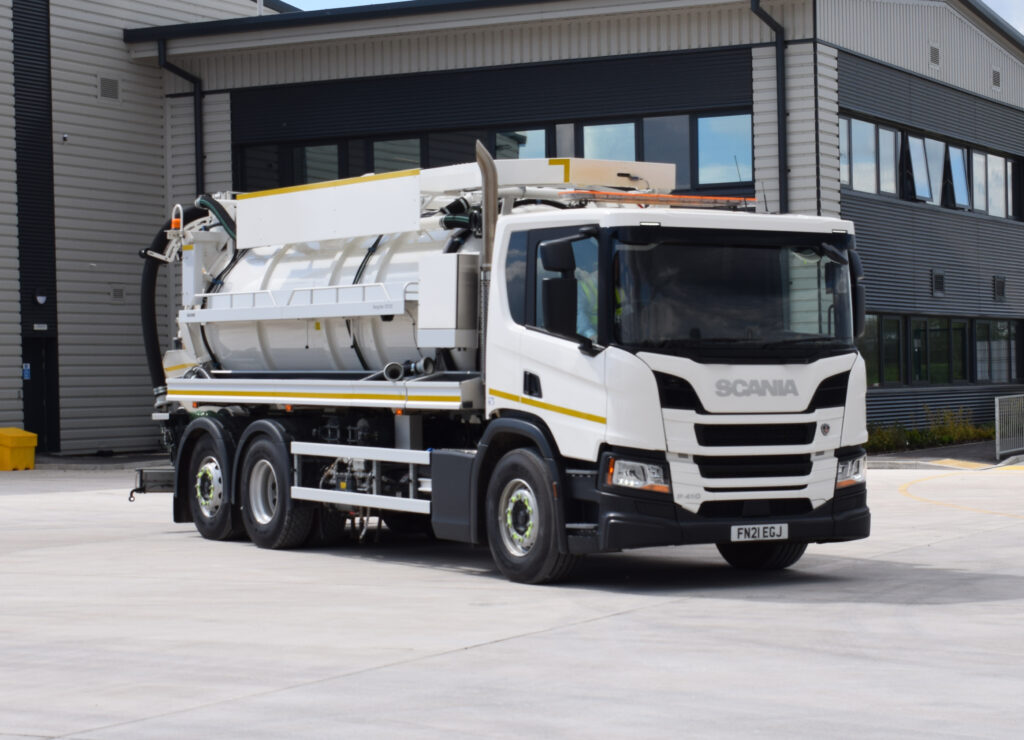
Dawsongroup’s Smarter Asset Strategy supports this approach by enabling organisations to access equipment such as vacuum tankers and combination jet vac units when required, rather than relying solely on owned assets. This model allows fleets to scale in line with demand, supporting both planned maintenance programmes and rapid response to unexpected events.
For drainage contractors, utilities, and local authorities, this flexibility reduces financial risk while ensuring they are prepared to respond effectively at any time of year.
Looking Ahead
As British weather becomes less predictable, resilience can no longer be treated as a seasonal concern or a reactive exercise. It must be embedded into day-to-day operations, supported by proactive maintenance, flexible resource planning, and a clearer understanding of how risks develop over time.
The reality is that uncertainty is now a constant. Organisations that acknowledge this and adapt accordingly will be better positioned to protect their infrastructure, control costs, and maintain service continuity. In an environment where weather patterns can shift rapidly and without warning, preparation is no longer optional, it is essential.