UK Construction: Trends in 2025

The State of UK Construction in 2025
The UK construction sector faces a pivotal year in 2025. While the industry shows signs of recovery from recent economic pressures, growth remains uneven. According to the Office for National Statistics (ONS), construction output rose by 0.4% in 2024, marking the fourth consecutive year of growth, but uncertainties around material costs and economic conditions have tempered optimism. Key drivers include infrastructure projects and housing demand, but challenges like regulatory changes and labour shortages persist.
Key Trends and Challenges Shaping the Industry
Adapting to the Regulatory Landscape
The UK construction sector is navigating significant regulatory shifts:
- Procurement Act: This reform emphasises transparency and sustainability in procurement, aiming to level the playing field for SMEs.
- Building Safety Act: Tightened regulations around safety and compliance create both challenges and opportunities for firms to demonstrate leadership in these areas.
- Environmental Standards: The Construction 2025 strategy prioritises net-zero carbon emissions, urging the adoption of sustainable building practices.
Increasing Competition
The government’s focus on promoting SME participation through these measures is reshaping the industry. While this fosters competition, it also pressures larger contractors to strengthen collaboration and manage cash flow efficiently.
Meeting Environmental Demands
With the push for net-zero carbon emissions, sustainability is now a non-negotiable aspect of construction projects. Clients demand cleaner solutions, requiring contractors to innovate and integrate sustainable practices into their operations.
Labour Shortages
The shortage of skilled workforces continue to challenge project timelines and quality. It is estimated that an extra 250,000 will be needed by 2028 to meet UK construction output.
Technology and Innovation
While the construction sector has been slow to adopt technology, client demand for innovative solutions is increasing. Technologies like Building Information Modelling (BIM), autonomous machinery, and project management software are becoming essential for a competitive advantage.
Financial Pressures
Cash flow remains a critical issue. According to government statistics, 4,031 construction companies became insolvent in the 12 months to January 2025, ranking the highest of all industries, due to rising material costs and delayed payments. Wage inflation and potential fiscal policies in the upcoming Autumn budget may add further strain.
Turning Challenges into Opportunities
At Dawsongroup, we understand your challenges and are committed to helping you turn them into opportunities for growth and success. Here’s how we can support you:

Expert Insights and Consultation
Our team of industry specialists offers tailored advice to help you navigate complex regulations, secure tenders, and identify growth opportunities.
Embracing Technology with Ease
We provide cutting-edge equipment and full training to integrate innovative technologies into your operations, ensuring you stay ahead of client demands and industry trends.
Extensive Equipment Range
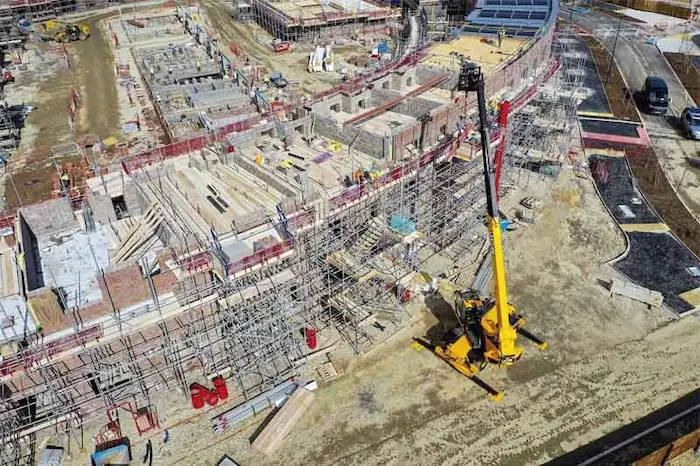
From rotating telehandlers to tracked dumpers and backhoe loaders, our fleet supports projects of all sizes and complexities, giving you the flexibility to expand your capabilities.
Reliable Service and Maintenance
Our comprehensive service packages include on-demand maintenance, ensuring minimal downtime and optimised performance for your equipment.
Trusted Partnerships
As a leading B2B asset hire group, we leverage our expertise and network to strengthen your business’s capabilities, helping you build trust with your clients and win more tenders.
Act Now to Stay Ahead
With 2025 poised to be a transformative year for the UK construction sector, partnering with the right team can make all the difference. Whether you need expert advice, innovative equipment, or reliable support, we’re here to help. Call us today to discuss how we can support your business needs.
Source:
Construction Industry Training Board (CITB), Company Insolvency Statistics, Office for National Statistics