Road Safety Strategy For The UK Explained
What the UK’s New Road Safety Strategy Means for Local Authorities and Municipal Fleets
The UK Government has recently published its first national road safety strategy in over a decade, setting out an ambitious plan to significantly reduce deaths and serious injuries across Britain’s road network. For local authorities responsible for managing roads, maintaining infrastructure and operating large municipal fleets, the strategy signals both a challenge and an opportunity.
The strategy aims to reduce the number of people killed or seriously injured on Britain’s roads by 65% by 2035, with an even more ambitious 70% reduction target for children under 16. These targets come at a time when progress on road safety has slowed in recent years, with around 1,600 fatalities and nearly 28,000 serious injuries recorded annually across the UK road network.
While central government will shape national policy, the reality is that much of the responsibility for delivering safer roads sits with local authorities, transport planners and fleet operators. Understanding what the strategy means in practical terms is therefore critical for those managing the roads and vehicles used every day by communities.
Why Road Safety Strategy Matters Now
The Department for Transport’s strategy sets out a comprehensive framework designed to address the factors that lead to serious collisions. It recognises that road safety progress has plateaued over the last decade and that the UK has fallen behind some European countries in reducing road fatalities.
Importantly, the strategy adopts the “Safe System” approach, which is widely used internationally. Rather than assuming drivers will never make mistakes, the Safe System model recognises that human error is inevitable and focuses on designing the road network, vehicles and enforcement systems so that mistakes do not result in death or serious injury.
For local authorities, this means road safety must be viewed as a shared responsibility across the entire system, including:
- Road design and infrastructure
- Vehicle standards and maintenance
- Driver behaviour and training
- Enforcement and compliance
- Data and technology used to monitor risk
Municipal fleets, highways operations and public service vehicles sit directly within this system, making them an important part of improving safety outcomes.
The Four Core Themes of the Road Safety Strategy
The government strategy is structured around four key themes, each of which has implications for councils, highways teams and municipal fleet operators.
1. Supporting Road Users
The first theme focuses on improving the capability, awareness and behaviour of people using the roads.
The strategy recognises that certain groups present higher levels of risk or vulnerability, including:
- Young and novice drivers
- Older drivers
- Motorcyclists
- Vulnerable road users such as cyclists and pedestrians
To address this, the government has launched consultations covering a number of areas, including introducing:
- Minimum learning period for learner drivers,
- Strengthening motorcycle training, and
- Introducing mandatory eyesight testing for older drivers.
There are also proposals to:
- Review drink driving limits,
- Strengthen penalties for dangerous driving behaviours and
- Expand education programmes aimed at improving driver awareness.
For local authorities, this theme is particularly relevant because municipal vehicles frequently operate in busy urban areas where vulnerable road users are present. Refuse collection vehicles, sweepers, gully tankers and highways vehicles regularly operate in residential streets, near schools and in city centres.
Improving driver awareness and capability therefore becomes a key element of reducing risk.
Driver training programmes, regular refresher courses and a strong safety culture can help ensure that municipal vehicle operators understand the risks associated with large vehicles operating in complex environments.
2. Technology, Innovation and Data
The second theme recognises the increasing role of technology in improving road safety.
The strategy proposes mandating additional safety technologies through vehicle type approval regulations and encourages the adoption of technologies that prevent collisions before they occur.
Technology is also transforming how fleets monitor and manage risk. Telematics platforms allow operators to track vehicle movement, analyse driver behaviour and identify patterns that may indicate safety concerns.
For municipal fleet operators, this presents an opportunity to move from reactive safety management to a more proactive approach.
For example, telematics platforms such as Dawsongroup emc vehicle tracking systems allow organisations to monitor:
- Speeding events
- Harsh braking or acceleration
- Harsh cornering
- Idling and fuel efficiency
- Driver distraction or unsafe behaviour
When combined with forward-facing and internal facing dash cameras, these systems can provide valuable insights into driver behaviour and near-miss incidents. This information can then be used to provide targeted driver coaching, helping to improve safety and reduce the likelihood of collisions.
Councils and local authorities based outside of the M25 could also benefit from PSS (Progressive Safe Systems) which include the likes of camera monitoring systems for blind spots where pedestrians and cyclists have had incidents with large vehicles historically.
For local authorities operating large fleets, the ability to monitor behaviour across dozens or hundreds of vehicles provides a powerful tool for improving safety standards.
The other positives outside of the safety improvement is that safer and better driving also
- Lowers fuel costs by up to 30% in some cases
- Reduces wear and tear reducing downtime for repair
- Aids ESG targets with a reduction in emissions based on improved driving.
3. Ensuring Infrastructure Is Safe
Local authorities play the most direct role in delivering the third theme of the strategy: ensuring infrastructure is safe. This includes the planning, design and maintenance of local roads, cycle lanes, pedestrian crossings and traffic management systems.
The strategy highlights the need to prioritise improvements on the highest-risk roads and to design infrastructure that protects vulnerable road users.
Key measures include:
- Targeting high-risk road sections for safety improvements
- Enhancing pedestrian crossings and cycling infrastructure
- Managing speed limits in residential areas
- Improving road layouts and junction designs
Evidence shows that well-maintained pavements, safer road crossings and improved road design encourage more walking and cycling while reducing collision risks.
For councils responsible for thousands of kilometres of road infrastructure, prioritising safety improvements through data-led decision making will be essential.
Collision data, traffic flow analysis and risk assessments can help identify where interventions will deliver the greatest safety benefits.
4. Robust Enforcement
The final theme of the strategy focuses on strengthening enforcement to deter dangerous driving behaviour. Proposals include:
- Tougher penalties for serious motoring offences
- Introduction of additional preventative technologies such as alcohol interlock devices for repeat offenders.
The strategy also explores the possibility of new enforcement powers and improved coordination between enforcement agencies.
While police forces lead enforcement activity, local authorities play a key role through measures such as:
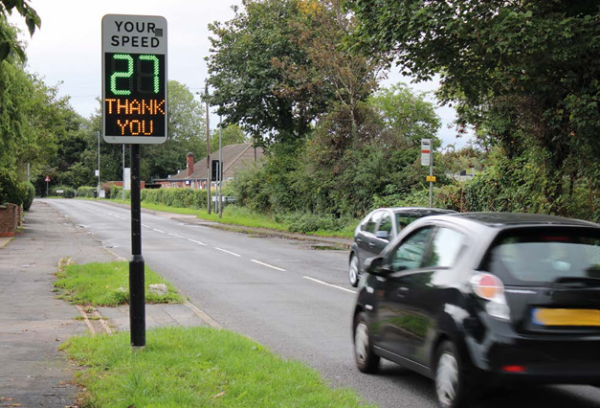
- Speed enforcement cameras
- Traffic regulation orders
- Low traffic neighbourhoods
- Urban speed management schemes
When combined with education and infrastructure improvements, enforcement ensures that road safety policies translate into real behavioural change.
The Role of Municipal Fleets in the Road Safety Strategy
Municipal fleets represent a significant presence on the UK road network.
Vehicles used for waste collection, road maintenance, drainage and street cleaning operate daily in densely populated environments and often interact closely with pedestrians, cyclists and parked vehicles.
These operational realities mean that municipal fleets must maintain the highest possible safety standards.
Vehicle design, maintenance, driver training and operational procedures all contribute to reducing risk.
Improving Road Safety Through Fleet Management
One of the most practical ways local authorities can improve road safety is through modern fleet management strategies. Maintaining an ageing fleet can create safety risks, as older vehicles may lack modern safety technology and require more frequent repairs.
Contract hire solutions allow councils to operate modern vehicles equipped with the latest safety features while spreading costs over predictable contract periods. Working with specialist municipal fleet providers such as Dawsongroup emc allows local authorities to access vehicles with advanced safety systems while benefiting from fully managed servicing and maintenance programmes.
Maintenance and Compliance
Routine maintenance plays a critical role in road safety.
Poorly maintained braking systems, tyres, steering components or lighting can significantly increase the likelihood of incidents. Fully maintained fleet solutions ensure vehicles are serviced regularly, helping to prevent mechanical failures and maintain compliance with safety standards. Preventative maintenance schedules also reduce downtime, ensuring vehicles remain safe and operational when they are needed most.
Operator Training and Driver Development
Technology and maintenance are only part of the solution. Drivers must also understand how to operate vehicles safely in complex environments. Training programmes covering urban driving risks, vulnerable road user awareness and vehicle-specific safety systems can significantly reduce incident rates.
Regular refresher training ensures drivers remain confident and competent when operating large municipal vehicles. Dawsongroup emc has a team of training experts on hand to deliver operator training to cover all elements of the vehicles use with safe operation.
Using Data to Prevent Incidents
Data-driven safety management is becoming increasingly important for fleet operators. Telematics platforms provide detailed insights into driver behaviour and vehicle performance, allowing fleet managers to identify risk patterns before incidents occur. By analysing driver performance data, organisations can implement targeted coaching and training programmes to improve safety outcomes.
When combined with dash cam technology, telematics systems also provide valuable evidence in the event of incidents, protecting both drivers and organisations. Reports can specifically be run to create a league table to highlight the good drivers and those with poor driving behaviour.
Building Safer Roads for the Future
The UK’s new Road Safety Strategy sets a clear direction for improving safety across the road network. For local authorities, the strategy reinforces the importance of taking a holistic approach that combines infrastructure improvements, safer vehicles, better driver training and data-driven decision making.
Municipal fleets will play a vital role in achieving these goals.
By investing in modern vehicles, implementing strong maintenance programmes and adopting technologies that monitor and improve driver behaviour, councils can significantly reduce risk across their operations. Ultimately, road safety is a shared responsibility. Through collaboration between government, local authorities, fleet operators and technology providers, the UK can move closer to achieving its ambitious target of dramatically reducing road deaths and serious injuries by 2035. You can view the full strategy here.