The Growing Role of Compact Sweepers in Smart Cities
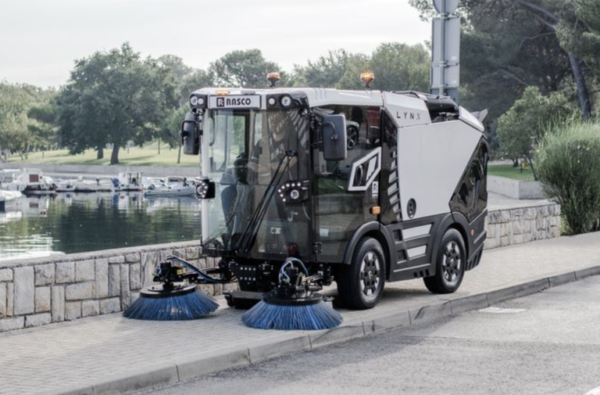
Local authorities in the UK are facing increasing pressure to deliver cleaner, safer, and more sustainable public spaces. At the same time, budgets are tightening, and expectations from the public remain high. Councils are expected to maintain visibly cleaner environments that support wellbeing, economic activity and civic pride. Compact sweepers are increasingly helping them meet these demands by providing an efficient and adaptable solution for modern urban cleaning.
As smart city strategies progress, urban management is becoming more focused on sustainability, efficiency and quality of life. Clean streets, improved air quality and lower emission fleet operations now sit at the heart of these priorities.
As a result of this shift, compact sweepers are now playing a bigger role than ever. Their increased manoeuvrability and reduced environmental impact (particularly electric variants) make them well suited to the confined spaces of the UK’s towns and cities.
Machines such as the Lynx Rasco compact sweeper show how modern equipment can combine efficiency, flexibility and environmental performance within a compact platform designed for today’s urban environments.
How Compact Sweepers Fit into the Smart City Landscape
Smart Cities use data, digital technology and connected infrastructure to improve the way urban environments are managed. The goal is to make places cleaner, safer, and more efficient.
For local authorities, this means shifting from traditional, reactive service delivery to more data-led, proactive and sustainable models. Sensors, telematics, real-time monitoring and integrated management systems help councils understand how streets, transport networks and public spaces are being used, and deploy resources to where they can have the largest impact.
Street cleansing plays a surprisingly central role in this ecosystem. Clean, well‑maintained streets contribute directly to environmental health, public confidence and the overall performance of urban spaces. Compact sweepers fit naturally into smart city strategies because they combine low‑emission operation, efficient performance and the ability to work in the dense, complex environments typical of modern towns and cities.
Clean Streets are a Foundation for Urban Wellbeing
Air quality remains a major public health priority for local authorities across the UK. Alongside vehicle emissions, road dust and debris contribute to particulate pollution when fine particles are re-suspended into the air by passing traffic.
Street cleaning should therefore be a huge priority for councils. Removing dust, litter and debris before the particles are redistributed helps to support wider air quality objectives, particularly in high footfall areas.
Compact sweepers are especially effective, as they can operate in some of the most crucial places, such as town centres, pedestrianised streets and residential roads. Modern compact sweepers incorporate advanced dust suppression and filtration systems which help reduce airborne pollution whilst maintaining these spaces.
These benefits align closely with Clean Air Zone policies, sustainability targets and wider Net Zero commitments. Compact sweepers provide councils with a practical way to improve environmental performance without major infrastructure changes.
Driving Efficiency Through Smarter Asset Strategies
Financial pressure continues to shape how local authorities deliver public services. Cleaning teams must maintain standards, whilst demonstrating clear value for money. Compact sweepers support this by reducing fuel consumption and improving route efficiency. With that being said, modern fleet management is no longer focused solely on the cheapest vehicle. Councils are increasingly prioritising whole life value, flexible deployment and smarter asset utilisation.
This approach aligns with smarter asset strategies that emphasise using the right equipment for each task. Compact sweepers can manage routine urban cleaning and high footfall areas, while larger machines are reserved for highways and intensive road cleaning. This improves fleet efficiency and reduces unnecessary operating costs.
The Future of Urban Cleaning and the Evolving Role of Compact Sweepers
Urban cleaning continues to evolve alongside wider smart city and sustainability initiatives. Three major trends are shaping the future of the sector:
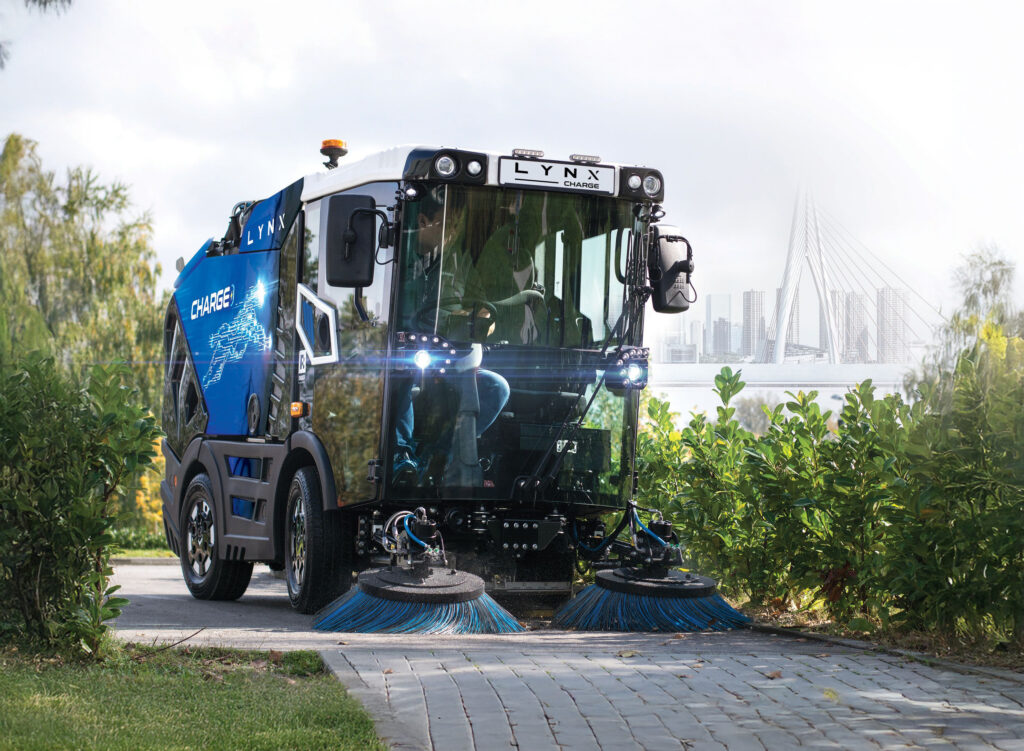
Electrification
Local authorities are accelerating the adoption of electric and low emission vehicles to support carbon reduction and air quality targets. Electric compact sweepers offer quieter operation and reduced local emissions, making them particularly suitable for residential areas and busy town centres. Options like the Lynx Charge are great for this.
Operational Intelligence
Route optimisation, data led scheduling and demand based cleansing models are helping councils deploy resources more efficiently. Cleansing operations are increasingly shaped by footfall, seasonal demand and environmental priorities rather than fixed schedules alone. More and more councils are embracing telematics options to ensure their decisions are led by data.
Flexible Fleet Strategies
Authorities are moving towards more adaptable fleets capable of performing multiple roles across different environments. This improves utilisation, reduces underused assets and supports more agile service delivery.
Compact sweepers sit at the centre of all three trends. Their ability to operate efficiently in constrained environments while supporting sustainability and operational flexibility makes them an increasingly important part of modern urban cleansing strategies.
Why Compact Sweepers Are Essential for Modern Urban Environments
Street cleaning is becoming more important within wider smart city strategies focused on sustainability, public health and quality of life. As urban environments become more complex, councils require equipment that can deliver high cleaning standards efficiently while supporting environmental and operational goals.
Compact sweepers provide that balance. Their manoeuvrability, lower emissions, operational flexibility and suitability for high density urban areas make them an essential tool for modern local authority fleets.
As councils continue to prioritise cleaner streets, improved air quality and smarter service delivery, compact sweepers are likely to play an even greater role in supporting cleaner, safer and more sustainable communities across the UK.